Tips and Tricks News

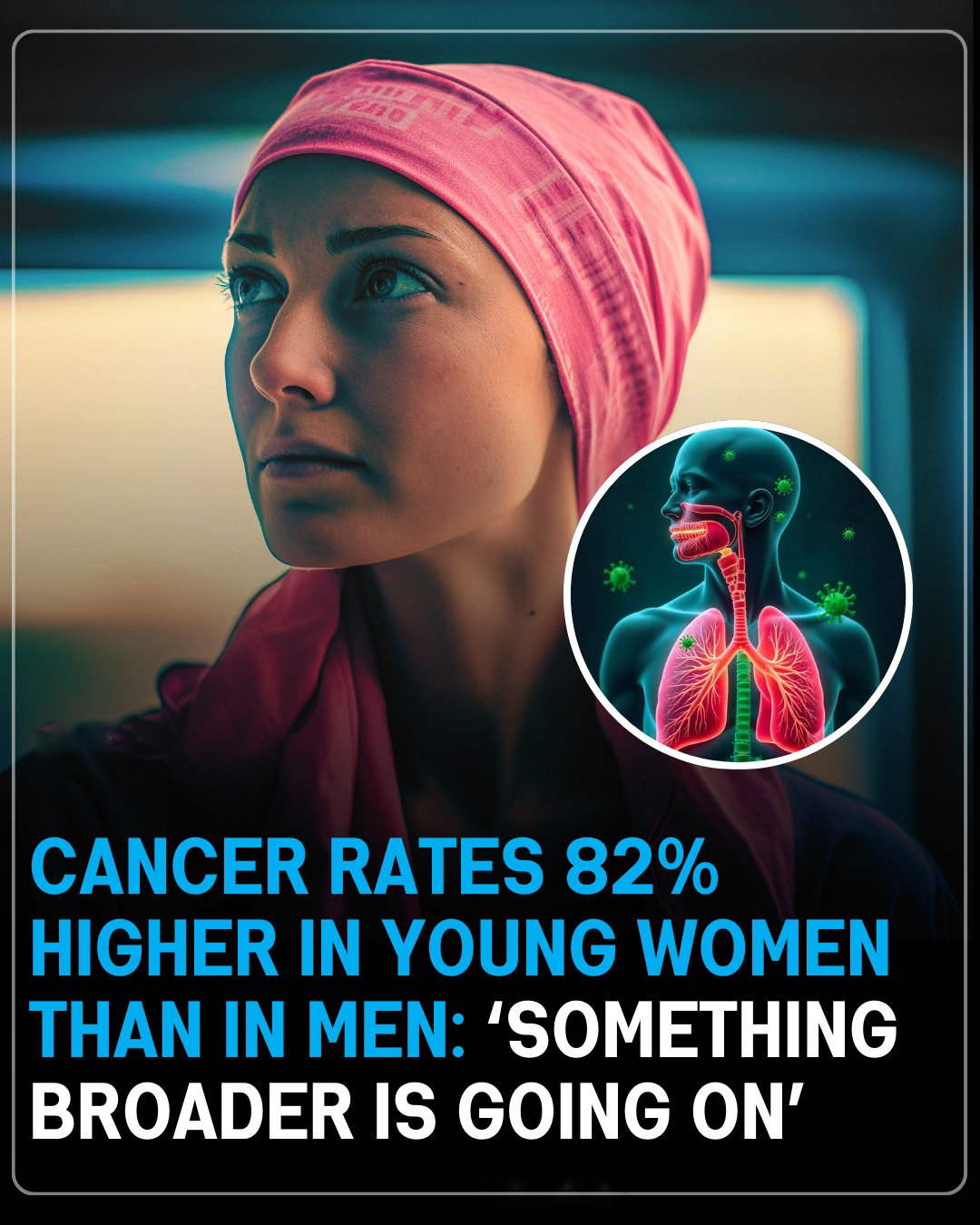
Cancer Rates Are 82% Higher In Young Women Than In Men: ‘Something Broader Is Going On’

In recent years, cancer diagnoses in women under 50 have been climbing at a concerning rate—rising faster than in men of the same age group.

According to the American Cancer Society, this trend isn’t solely genetic; lifestyle, environmental factors, and healthcare inequalities are all contributing. Understanding the root causes is essential for anyone concerned about the health of the women around them.

Why Are More Young Women Getting Cancer?

New research reveals that women under 50 are now 82% more likely to be diagnosed with cancer than men in that age group—a sharp increase from 51% in 2002. The most common cancers in young women include breast, thyroid, and colorectal cancers, with breast cancer rising about 1% annually since 2012. Asian American and Pacific Islander women have been especially impacted.

Dr. Neil Iyengar, an oncologist at Memorial Sloan Kettering, believes this goes beyond genetics: “We’re likely dealing with a complex mix of environmental and lifestyle factors.”

What Factors Are Driving This Surge?

Several modern trends may be fueling this increase:

  • Shifts in Reproductive Choices: Having children later or not at all may reduce the protective effect pregnancy offers against certain cancers.
  • Environmental Pollutants: Daily exposure to chemicals, microplastics, and toxins raises concerns about long-term cancer risks.
  • Diet & Obesity: Ultra-processed foods and sedentary lifestyles increase obesity rates, which are closely linked to chronic inflammation and cancer.
  • Healthcare Disparities: While Black women are diagnosed with breast cancer less frequently than White women, they are more likely to die from it—largely due to limited access to early detection and treatment.

Early Detection Saves Lives—But Access Isn’t Equal

Early screening is key, but barriers still exist:

  • Breast Cancer: Newer 3D mammography can detect cancer earlier, especially in women with dense breast tissue—but access is uneven.
  • Colorectal Cancer: Rising rates in younger adults have led to updated guidelines, now recommending screenings starting at age 45.
  • Insurance: The Affordable Care Act has expanded access to screenings and vaccines, like the HPV shot that helps prevent cervical cancer.

The Personal and Societal Cost

A cancer diagnosis at a young age brings emotional, physical, and financial strain. Women must often juggle treatment with careers, family planning, and fertility issues. Meanwhile, rising cases put pressure on a healthcare system already struggling with inequality in access to care.

What Can Be Done?

To combat this growing problem, a multi-pronged approach is needed:

  • Promote Healthier Lifestyles: Encourage regular physical activity, better diets, and weight control. Reducing alcohol and avoiding smoking are vital.
  • Improve Screening Access: All women, regardless of background, should benefit from advanced detection tools.
  • Reduce Environmental Risks: Limiting exposure to pollutants and harmful chemicals must become a public health priority.
  • Close Healthcare Gaps: Marginalized communities need improved education, resources, and care.
  • Support Research: Continued investment is critical to discovering why rates are rising and how to prevent or better treat cancer.

“This isn’t just a statistic—it’s about our mothers, daughters, sisters, and friends.”

Hope on the Horizon: Breakthroughs in Cancer Treatment

Amidst the concerning rise, recent advances in cancer treatment are offering new hope:

  • Personalized Cancer Vaccines: A Yale study developed custom vaccines for advanced kidney cancer that left patients disease-free for three years by training their immune systems to attack cancer-specific mutations.
  • Miracle Drug for Infants: In Australia, a baby with soft-tissue cancer was cured using Larotrectinib, a targeted drug that eliminated the tumor without chemotherapy.
  • New Pancreatic Treatments: Drugs targeting KRAS mutations, common in pancreatic cancer, are extending lives, though more research is needed to combat resistance.
  • Breakthrough in Breast Cancer: AstraZeneca’s new drug Camizestrant showed strong results in late-stage trials for advanced breast cancer, boosting confidence in future treatments.
  • Radiation Protection from Tardigrades: Scientists discovered a protein called Dsup in “water bears” that protects cells from radiation, potentially reducing side effects of cancer treatments and benefiting astronauts as well.

Final Thoughts

The rise in cancer among young women is a call to action for everyone—from individuals making healthier choices to policymakers working to expand access and fund research. With collaborative effort and continued medical advancements, we can turn the tide on this troubling trend—and offer hope for a healthier future.

Related Posts

I Took Our 7-Year-Old Daughter to Surprise My Husband at His Company Gala—But His Assistant Said, “His Wife and Son Are Already Upstairs.” When the Elevators Opened, My Daughter Whispered, “Daddy?”… Then One Phone Call Revealed Why Her Name Was Hidden in His Secret File

The Gift in Her Hands For nearly a month, my husband had been coming home after our daughter was asleep. He always had a reasonable explanation waiting for...

I Followed My Wife to Her Mother’s House Planning to End Our Marriage, But What I Heard Outside the Kitchen Window Made Me Realized Why She Had Been Pushing Me Away—And I Wished I’d Never Doubted Her

Before the Door Opened Ryan Carter parked across the street and stared at the envelope resting on the passenger seat. Inside were divorce papers. He had signed them...

When I Came Home From the Hospital Unable to Walk Without Crutches, My Mother-in-Law Told My Husband, “You Can’t Spend the Rest of Your Life Carrying Her”—He Stayed Silent, I Opened My Blue Medical Folder and Waited… Because That Silence Was About to Cost Him More Than a House and His Family Name

The Silence in the Living Room “You cannot expect him to spend the rest of his life taking care of you.” Patricia Reeves said it from the center...

TTiêu đề H1 lẹ;la;k;lakd;ákdlasdas;jas;ldksaldklas;kdl;sakd;álkd;lákd;lsakd;lskdl;skd;l lẹ;la;k;lakd;ákdlasdas;jas;ldksaldklas;kdl;sakd;álkd;lákd;lsakd;lskdl;skd;l lẹ;la;k;lakd;ákdlasdas;jas;ldksaldklas;kdl;sakd;álkd;lákd;lsakd;lskdl;skd;l lẹ;la;k;lakd;ákdlasdas;jas;ldksaldklas;kdl;sakd;álkd;lákd;lsakd;lskdl;skd;l

“Dad Wanted You to Give Me Your Inheritance!” My Sister Screamed Before Shoving Me Down a Concrete Staircase Trying to Silence Me Forever When I Said No —She Didn’t Know Every Second Was Captured on Camera, and I Was About to Wake Up in the Hospital I Secretly Ran

The Last Seat at the Table The first time Marlowe Sutton realized grief could be used as a weapon, her father had been dead for nine days. Rain...

Để lại một bình luận

Email của bạn sẽ không được hiển thị công khai. Các trường bắt buộc được đánh dấu *