News

Warning Signs You Should Never Ignore About Your Skin

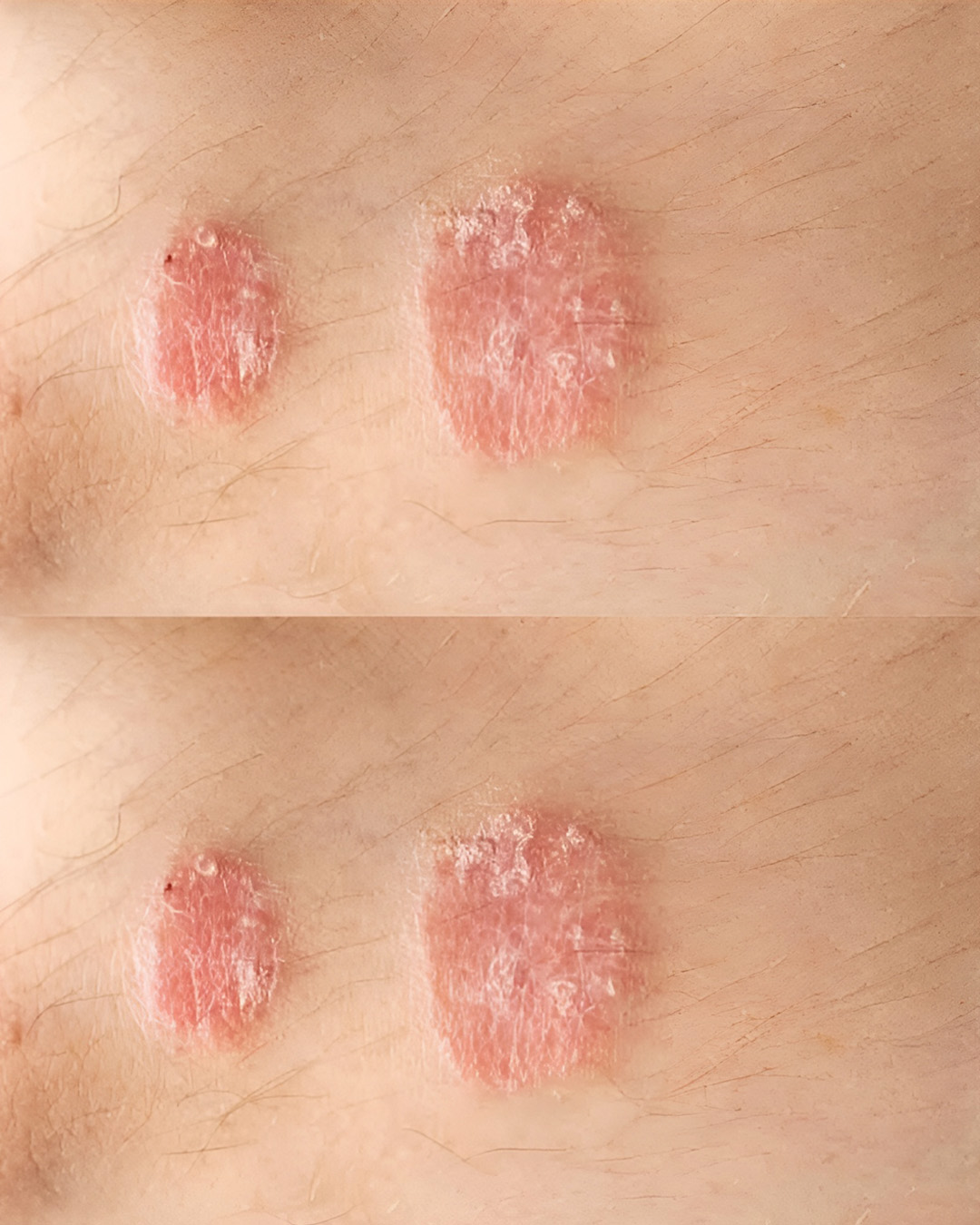
You might see red, itchy patches on someone’s skin and think it’s just irritation. But if they don’t go away, it could be psoriasis, a chronic and sometimes painful condition. Often misunderstood, psoriasis can seriously affect daily life. The good news? With better understanding comes better control.

What is psoriasis? An internal disorder

Psoriasis isn’t contagious—it’s an autoimmune condition where the immune system mistakenly attacks the skin, causing thick, red, scaly patches. Triggers include genetics, stress, infections, or sunburn. It can also affect nails and joints, not just the skin.

Plaque psoriasis: the most common, but not the simplest
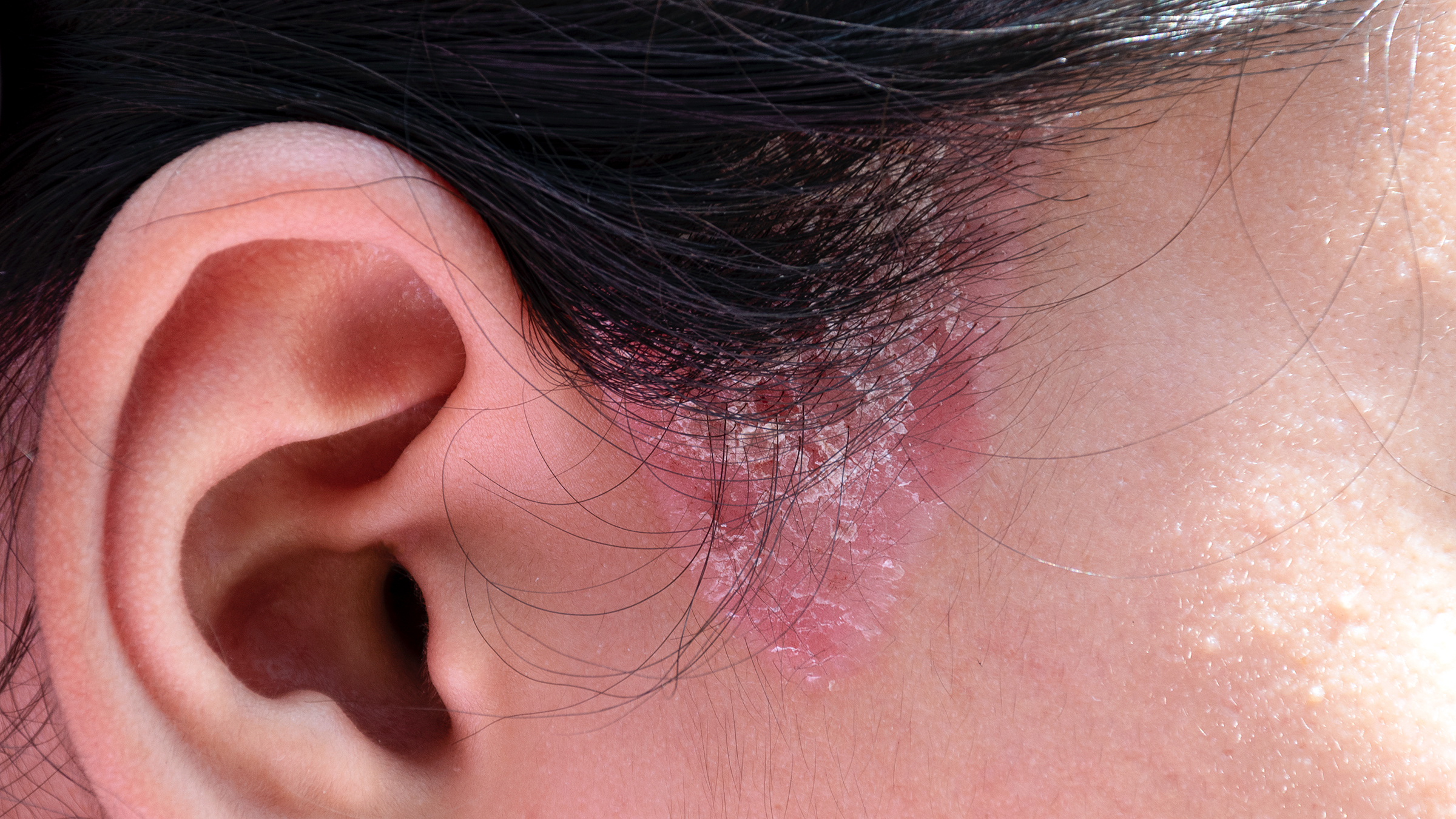
Imagine your skin feeling like it’s covered in peeling paint — rough, dry, and sometimes painful to touch. That’s what plaque psoriasis often feels like. It’s the most common type of psoriasis.

Common symptoms include:

  • Thick, red patches of skin with silvery-white flakes
  • Usually shows up on the elbows, knees, scalp, and lower back
  • Itching that can range from annoying to intense

On different skin tones, the patches can look different and may leave darker or lighter spots after healing — this is called post-inflammatory hyperpigmentation.

Guttate psoriasis: small spots, big problems

This type, which often shows up in kids or young adults, looks like a rash with small spots on the body, arms, or legs. It usually happens after an infection, like tonsillitis.

Things to remember:

  • The spots are small and shaped like drops
  • It’s often triggered by a bacterial infection, like strep throat
  • The spots may be slightly scaly, but there are a lot of them
  • Sometimes, this can be the first sign of hidden (latent) psoriasis showing up

Inverse psoriasis: discreet but unpleasant
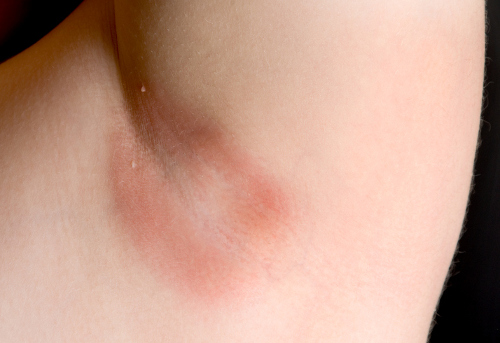
This type of psoriasis shows up in skin folds – like the armpits, groin, and under the breasts – where it’s not always easy to see, but definitely hard to ignore.


What makes it different:

  • Red, smooth, and shiny patches
  • Gets worse with heat, sweating, and skin rubbing
  • Higher chance of fungal infections

Unlike other types of psoriasis, there’s usually no flaking here. Instead, it feels like constant irritation – kind of like wearing wet clothes that keep rubbing on sore skin.

Pustular psoriasis: when the skin becomes inflamed

This type is less common, but it really stands out. You might see white blisters filled with pus (not contagious), surrounded by red, sore skin. It can show up just on certain areas like the hands or feet, or all over the body.

What to look out for:

  • Painful pus-filled bumps
  • Sometimes comes with fever and chills
  • It’s important to see a doctor quickly

This is your body’s way of saying something’s wrong — don’t ignore it.

Erythrodermic psoriasis: the rarest, but also the most dangerous

Imagine your skin becoming inflamed everywhere, like a big burn. It turns red, peels a lot, and hurts really badly: that’s erythrodermic psoriasis, and it’s an emergency.

Here’s what you should know:

  • It can affect your whole body.
  • It causes intense itching, pain, and swelling.
  • It might happen if you suddenly stop treatment or have serious skin damage.

This type needs quick hospitalization to prevent complications.

Living with psoriasis: understanding to act better

Psoriasis can impact nails, causing thickening, discoloration, or peeling, often indicating psoriatic arthritis, which affects one in three people with psoriasis. Managing psoriasis can be tough, but knowing triggers and treatments like creams, phototherapy, and biologic meds can help. You’re not alone; millions face this. Talk to a dermatologist and take care.

Related Posts

My Husband Threw My Hospital Bag Onto the Lawn While I Was in Labor and Called Me “Dead Weight.” The Very Next Morning, He Walked Into My Hospital Room Holding Another Woman’s Hand, Ready to End Our Marriage—Neither of Them Had Any Idea I Had Secretly Become the CEO of the Company That Was About to Decide Both of Their Futures.

The Morning He Thought He Had WonThe first thing Lauren Bennett remembered after giving birth was not the sound of her son’s cry.It was the click of expensive...

When the ER Doctor Questioned My 16-Year-Old Daughter’s “Fall,” My Husband Said I Was Overreacting and His Mother Claimed Our Child Was Making It Up—By Sunrise, They Were Already Trying to Take Her Away From Me, but Then I Checked the Necklace I Had Given Her and Found My Own Name Inside a Plan That Had Started Long Before That Night

The Night My Daughter Finally SpokeI still remember the exact way the emergency room physician looked at me before he spoke, because there are moments when a stranger’s...

After Four Hospital Visits Found Nothing, My 12-Year-Old Son Woke Me Before Dawn Clutching His Stomach—Then He Pointed at My New Wife and Whispered, “She Knows Why”… That Was When Our New Nanny Stepped Into the Room and Said, “He’s Telling the Truth.”

The Nights No One Could ExplainThe first time twelve-year-old Benjamin Hale woke his father before dawn, Nathan believed it was a stomach virus.The second time, he wondered whether...

At His Luxury Wedding, My Brother Sent Me to the Kids’ Table and Whispered, “You Don’t Belong With Important People”—Then the Billionaire CEO He’d Spent 18 Months Trying to Impress Walked Past Every Executive, Pulled Up a Tiny Chair Beside Me, and Said My Name Like He’d Been Searching the Room…

The Seat in the Far CornerThe first thing my brother said to me on his wedding day was not that he was glad I had come, or that...

My 9-Year-Old Granddaughter Whispered, “Grandma, Mom And Dad Aren’t Away On Business… They’re Trying To Take Everything From You.” I Pretended I Knew Nothing—Until They Came Home To Changed Locks And A Note On My Kitchen Table: “I Know Everything.”

The Whisper in the Upstairs BedroomThe night my nine-year-old granddaughter warned me about her parents, I was standing beside her bed with a quilt folded over my arms.Outside,...