News

Scientists May Have Actually Found One Of The Causes Of Autism

In recent years, an increasing amount of research has been highlighting the crucial role our gut microbiome plays in our overall health. It influences everything from our reactions to fear and negative stimuli, to our weight and mental well-being, and even impacts whether we develop autoimmune conditions like lupus and type 1 diabetes.

Now, a new study published in The Journal of Immunology has uncovered a connection between the gut microbiome and autism, based on animal studies. However, researchers clarify that it’s not our own microbiome that influences whether or not we develop autism — it’s actually our mother’s.

“The microbiome can shape the developing brain in multiple ways,” John Lukens, lead researcher and PhD student from the University of Virginia School of Medicine, said in a statement.

“The microbiome is really important to the calibration of how the offspring’s immune system is going to respond to an infection or injury or stress.”
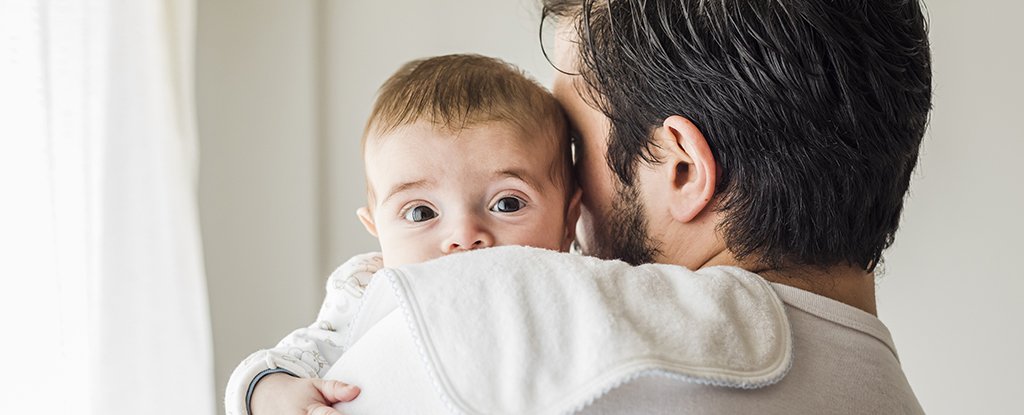
When it comes to autism, the connection may lie with a specific molecule known as interleukin-17a (or IL-17a), which is produced by the immune system. This molecule has already been linked to autoimmune conditions like rheumatoid arthritis, multiple sclerosis, and psoriasis. It’s also known for playing a key role in defending the body against infections—especially fungal ones. Interestingly, IL-17a may also affect how the brain develops before birth.
To explore their theory that IL-17a might be a trigger for autism, researchers conducted tests using lab mice. They brought in female mice from two different labs: one group had gut microflora that made them more likely to have an inflammatory response triggered by IL-17a, while the control group—sourced from the second lab—did not show that same sensitivity.

When the IL-17a molecule was intentionally blocked—thereby halting the inflammatory responses it triggers—the offspring of both groups of mice were born displaying typical, healthy behaviors. However, when no intervention was made and things were allowed to proceed naturally, the pups born to mothers in the first group went on to show signs of an autism-like neurodevelopmental disorder, marked by changes in social behavior and repetitive actions.

To test whether the unique gut microbiome of the first group was the cause, the researchers conducted a fecal transplant. They transferred fecal matter from the first group to mice in the second group, essentially altering the microbiome of the second group to match the first. As anticipated, the pups in the second group subsequently developed similar autism-like neurodevelopmental symptoms.

These are still early-stage studies and might not directly apply to human pregnancies, but they open up an intriguing path for autism research. They also offer compelling evidence that a mother’s gut health could play at least a partial role in the development of neurodevelopmental conditions.

According to Lukens, the next step is to investigate whether similar patterns can be found in humans and to identify what specific elements in the mother’s microbiome may be linked to autism. He also noted that there are a number of other molecules worth looking into, adding that IL-17a could be just one small part of a much more complex picture.

Related Posts

My Husband Threw My Hospital Bag Onto the Lawn While I Was in Labor and Called Me “Dead Weight.” The Very Next Morning, He Walked Into My Hospital Room Holding Another Woman’s Hand, Ready to End Our Marriage—Neither of Them Had Any Idea I Had Secretly Become the CEO of the Company That Was About to Decide Both of Their Futures.

The Morning He Thought He Had WonThe first thing Lauren Bennett remembered after giving birth was not the sound of her son’s cry.It was the click of expensive...

When the ER Doctor Questioned My 16-Year-Old Daughter’s “Fall,” My Husband Said I Was Overreacting and His Mother Claimed Our Child Was Making It Up—By Sunrise, They Were Already Trying to Take Her Away From Me, but Then I Checked the Necklace I Had Given Her and Found My Own Name Inside a Plan That Had Started Long Before That Night

The Night My Daughter Finally SpokeI still remember the exact way the emergency room physician looked at me before he spoke, because there are moments when a stranger’s...

After Four Hospital Visits Found Nothing, My 12-Year-Old Son Woke Me Before Dawn Clutching His Stomach—Then He Pointed at My New Wife and Whispered, “She Knows Why”… That Was When Our New Nanny Stepped Into the Room and Said, “He’s Telling the Truth.”

The Nights No One Could ExplainThe first time twelve-year-old Benjamin Hale woke his father before dawn, Nathan believed it was a stomach virus.The second time, he wondered whether...

At His Luxury Wedding, My Brother Sent Me to the Kids’ Table and Whispered, “You Don’t Belong With Important People”—Then the Billionaire CEO He’d Spent 18 Months Trying to Impress Walked Past Every Executive, Pulled Up a Tiny Chair Beside Me, and Said My Name Like He’d Been Searching the Room…

The Seat in the Far CornerThe first thing my brother said to me on his wedding day was not that he was glad I had come, or that...

My 9-Year-Old Granddaughter Whispered, “Grandma, Mom And Dad Aren’t Away On Business… They’re Trying To Take Everything From You.” I Pretended I Knew Nothing—Until They Came Home To Changed Locks And A Note On My Kitchen Table: “I Know Everything.”

The Whisper in the Upstairs BedroomThe night my nine-year-old granddaughter warned me about her parents, I was standing beside her bed with a quilt folded over my arms.Outside,...